DENTAL IMPLANTS
Advanced implant solutions
Expert care. Lasting results.
Designed for your smile.
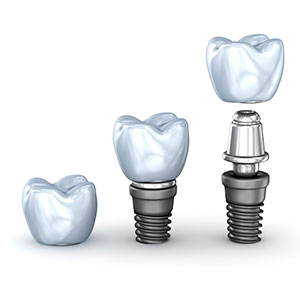
Determining the lifespan of dental crowns is a central consideration prior to undergoing restorative treatment. This guide breaks down longevity by material type and examines the core factors influencing long-term durability.
With precise clinical execution and proper maintenance, dental crowns are designed to last for many years. The average lifespan typically ranges between 7 and 15 years, though premium materials and optimal care can extend this timeline significantly.
In practice, the durability of porcelain crowns depends not only on the material but also on occlusion, chewing habits, the condition of the natural teeth, and the precision of the restoration technique.
A custom-engineered crown ensures stable biting function while retaining its natural shape and colour over the long term.
At Worldwide, crown longevity is optimized through the strict management of three critical technical factors: stable bite alignment, flawless marginal fit, and seamless integration with the gum tissue.
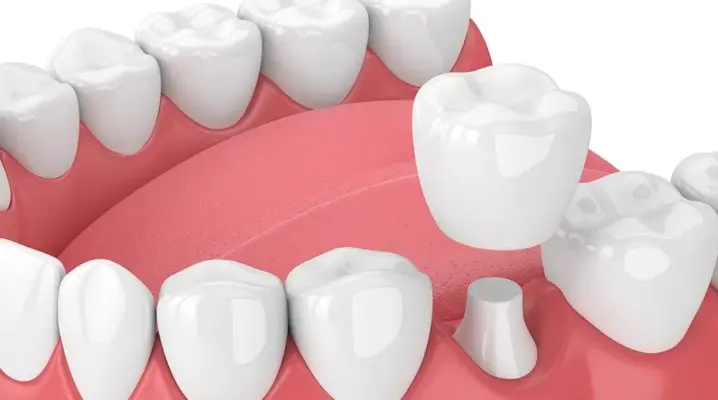
Each crown material offers distinct advantages in durability and aesthetics. Selecting the appropriate material ensures optimal, long-term clinical and cosmetic outcomes.
Features a porcelain exterior bonded to an inner metal supportive core.
Key Attributes:
Average Lifespan: 5 -10 years, depending on wear and maintenance.
Engineered from high-strength ceramic renowned for exceptional hardness and load-bearing capacity.
Key Attributes:
Average Lifespan: 10 – 15 years with optimal oral hygiene.
High-translucency aesthetic ceramics closely mirror the optical properties of natural teeth for a lifelike finish.
Key Attributes:
Average Lifespan: 10 – 15+ years depending on individual care and wear.
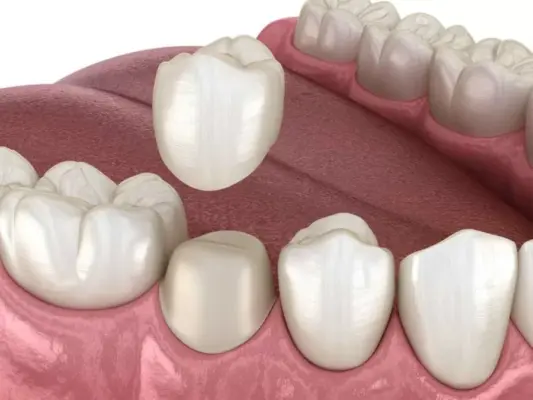
Crown durability is determined by multiple factors beyond the material itself.
A seamless fit between the crown and the underlying tooth structure is essential to minimize gaps. Precise adaptation limits bacterial accumulation and supports gum tissue stability.
Accurate restoration ensures:
Fabrication accuracy is vital to restoration longevity.
A balanced bite ensures even distribution of chewing forces across the dentition. Localised force concentration subjects the crown to excessive pressure.
Uneven chewing forces can lead to:
Bite management is essential for long-term durability.
The natural tooth serves as the foundation for the crown. A stable underlying structure ensures greater longevity for the restoration.
Key considerations include:
A thorough pre-restoration assessment of the natural tooth enables the development of an appropriate treatment plan.
Certain habits can compromise crown longevity:
Minimising these behaviours reduces mechanical stress on the crowns.
Dental crowns require the same level of maintenance as natural teeth to ensure durability.
Recommended practices include:
Proper maintenance minimises the risk of gum inflammation and extends the lifespan of the restoration.
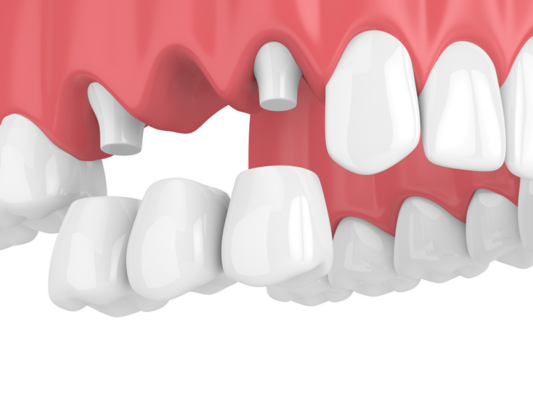
Replacement of dental crowns may be required over time to maintain aesthetics and chewing function.
Key indicators warranting evaluation include:
Structural damage to the restoration surface can compromise durability and chewing efficiency.
Changes in gum tissue can lead to increased visibility of the crown margins compared to their initial placement.
Shifts in bite alignment can negatively affect the stability of the restoration.
After years of use, the shade of the restoration may no longer blend seamlessly with the overall smile.
Routine dental examinations facilitate the timely assessment of replacement needs.
The long-term durability of dental crowns can be supported by several simple habits.
Consistent oral hygiene limits bacterial accumulation around the crown.
Recommended practices include:
Biting on excessively hard objects increases the risk of restoration chipping or fracturing.
Behaviours to minimise include:
Regular check-ups facilitate the early detection of crown-related issues.
Timely adjustments support the maintenance of stable, long-term results.

In cosmetic restorations, crown precision and bite alignment harmony are paramount to sustaining stable results.
Total clinical workflow control at Worldwide Dental & Plastic Surgery Hospital ensures the highest level of restoration precision:
An end-to-end managed workflow – from initial diagnosis to final fabrication – safeguards the long-term stability and structural integrity of the restoration.
With correct clinical placement and proper daily care, dental crowns can last for many years. Their lifespan generally depends on the materials chosen, bite alignment, the health of the remaining natural teeth, and daily habits.
Selecting the right treatment plan and maintaining good oral hygiene are the most effective ways to keep crowns in excellent condition and preserve a natural, healthy smile.