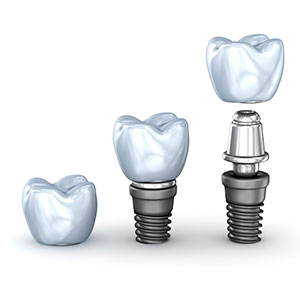
DENTAL IMPLANTS
Advanced implant solutions
Expert care. Lasting results.
Designed for your smile.
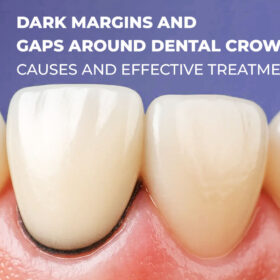
Visible gaps and dark margins along the gum line are common complications following dental crown placement. This overview outlines the underlying causes, early indicators, and corrective procedures required to restore long-term aesthetics.
Over time, a dark line or visible gap can develop between a dental crown and the gumline. Beyond compromising the aesthetics of your smile, this separation warrants a prompt clinical evaluation to safeguard your oral health.
Ideally, a precise restoration sits flush against the prepared tooth, blending seamlessly with the surrounding gum tissue. However, if the crown margin becomes exposed or discoloured, it understandably raises concerns regarding the longevity of the restoration.
Clinically, dark margins typically stem from the choice of restorative materials, the precision of the clinical technique, or natural changes in the gum tissue over time.
At Worldwide, meticulously managing margin fit and gum tissue stability remains central to ensuring flawless, enduring aesthetic outcomes.
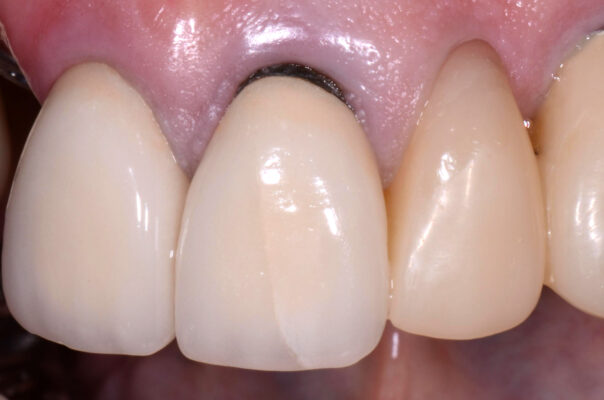
A dark line around the gumline compromises the appearance of your teeth and, if left unaddressed, creates an open margin that allows plaque to build up over time.
One of the most common causes of this issue is a crown that does not fit snugly over the prepared tooth. When even a tiny gap exists, bacteria and plaque can easily accumulate where the tooth meets the gum.
Over time, this can lead to:
A precise margin fit is essential to maintaining the long-term aesthetics of your restoration.
Some dental crowns have an inner metal substructure. Over time, this metal core can cast a shadow through the gum tissue, making the gumline look darker.
This is especially noticeable when:
Using all-ceramic restorations (metal-free crowns) is highly effective at preventing this gray shadow at the gumline.
Gum tissue naturally changes over time due to factors like oral hygiene habits, brushing pressure, or individual genetics.
When the gums recede slightly, the underlying tooth root or the edge (margin) of the restoration becomes exposed, making the border look dark.
Key factors that can cause gum recession include:
Proper gum care is vital to keeping your dental restorations looking natural and seamless.
When chewing forces are not evenly distributed, certain teeth end up bearing more pressure than normal. This ongoing stress can affect the surrounding gum tissue and destabilize the margin of the restoration.
Common signs of an unbalanced bite include:
A stable, balanced bite is key to preventing the gumline from shifting.
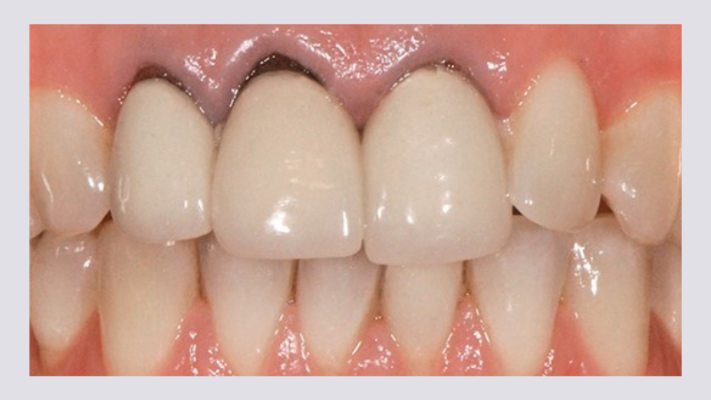
Spotting these signs early allows for timely treatment and prevents further damage to your smile’s appearance.
Here are a few common signs to watch for:
A gray or dark shadow may appear where the crown meets the gumline, making the border look darker than the rest of the tooth.
If a tiny gap develops, food debris will start to get stuck around the base of the tooth much more frequently.
Plaque buildup in the gap over time can irritate the surrounding gums, making them sensitive or prone to bleeding.
You might notice a slight change or a tiny “catch” at the border where the crown meets the gum, feeling like it no longer fits seamlessly.
Depending on the underlying cause, this discoloration can be successfully corrected using the right approach.
If the crown does not fit snugly or the material is no longer suitable, your dentist may recommend replacing it to restore aesthetics and ensure long-term stability.
A precisely designed new crown helps to:
If you have mild gum inflammation or recession, treating and managing the gum tissue will improve how your teeth and gums look together.
Keeping your gums healthy provides stronger, more stable support for your restoration.
A balanced bite distributes chewing forces evenly and reduces excessive pressure on the crown.
Adjusting your bite early on helps keep the restoration stable and durable over time.
Prevention plays a critical role in maintaining long-term aesthetic outcomes.
The choice of ceramic material dictates marginal shade and translucency.
With an appropriate selection, the following outcomes are achieved:
Healthy gingiva preserves a seamless transition between the restoration and the gumline.
Recommended practices include:
A balanced bite minimizes mechanical stress on the restoration and surrounding tissue.
Proper alignment ensures long-term restoration stability.

In cosmetic restorations, a precise marginal fit and harmony with the gums are key to maintaining a natural smile.
Every step of the process is closely managed at Worldwide Dental & Plastic Surgery Hospital to ensure stable, lasting results:
Combining clinical expertise and modern technology achieves a highly precise fit, maintaining the aesthetic appeal of the restoration over time.
Open margins and dark gumlines can arise from various factors, such as the choice of restorative materials, clinical technique, or natural changes in gum tissue over time.
Prompt clinical evaluation and timely adjustment prevent aesthetic compromise and safeguard long-term restoration stability.
Selecting the appropriate treatment option and maintaining proper oral care are essential to preserving a healthy, harmonious smile over time.