DENTAL IMPLANTS
Advanced implant solutions
Expert care. Lasting results.
Designed for your smile.
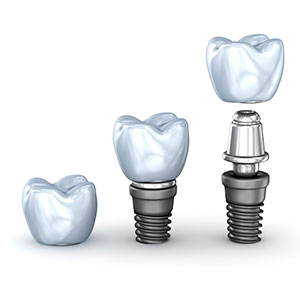
Opting for dental crowns to correct gapped teeth is a frequent consideration for those seeking rapid smile enhancement. This article explores when crowns are a viable option for closing gaps, and when orthodontic treatment offers a more appropriate path.
Dental spacing refers to wider-than-average gaps that can disrupt the natural harmony and balance of a smile. These spaces may appear prominently between the front teeth or manifest across the dental arch, varying according to an individual’s unique dental and jaw anatomy.
Beyond aesthetics, pronounced spacing can occasionally influence speech articulation and chewing efficiency. Furthermore, these gaps tend to trap food debris, rendering meticulous oral hygiene more demanding.
The underlying factors behind dental spacing typically include:
Identifying the precise root cause is essential to tailoring a sophisticated treatment approach, ensuring both optimal function and long-term stability.
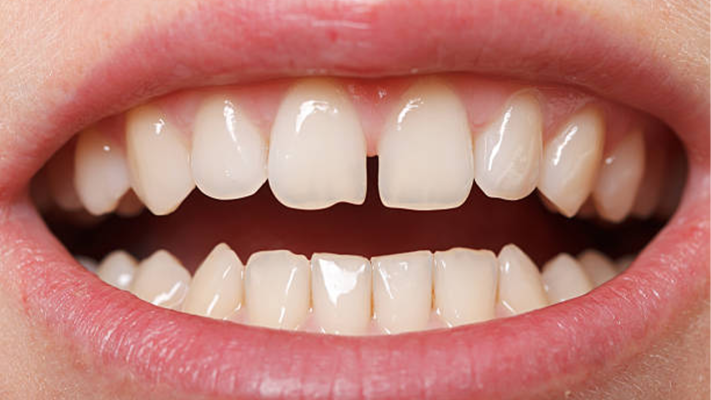
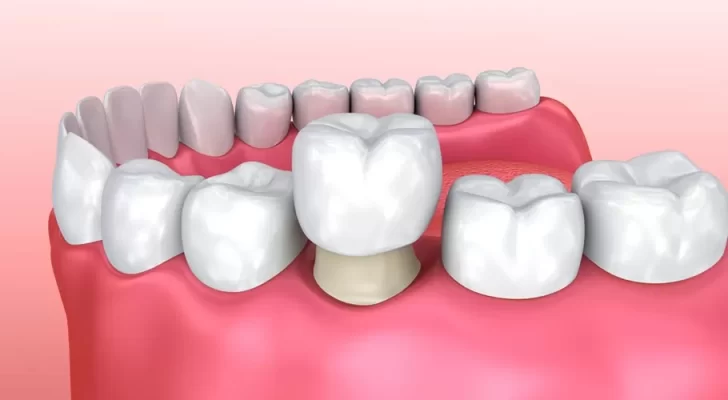
Dental crowns can effectively address spacing by subtly modifying tooth anatomy, restoring a naturally balanced and harmonious appearance. This approach remains highly favoured by individuals seeking rapid aesthetic enhancement within a compressed timeframe.
Dental crowns may be appropriate in select instances of mild to moderate dental spacing.
Typical clinical scenarios include:
Refining the shape of the teeth with crowns effectively closes these gaps, thereby enhancing the overall harmony of the smile.
This treatment provides a prompt cosmetic upgrade while establishing structural uniformity.
Key advantages include:
However, crowns may not be the ideal approach for every case of dental spacing.
While both orthodontics and porcelain crowns can address dental spacing, their underlying principles are fundamentally distinct.
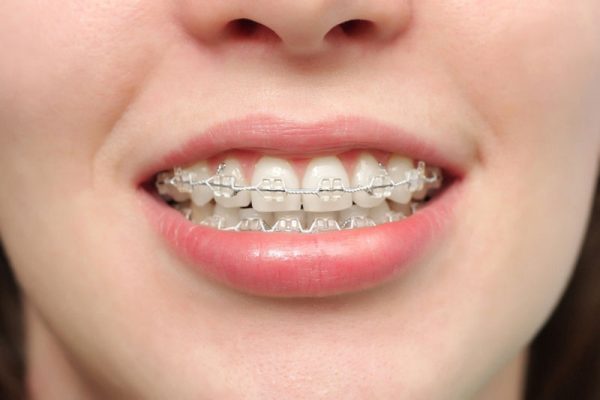
Orthodontic treatment physically repositions the teeth within the dental arch, whereas crowns modify the external anatomy of the teeth.
Orthodontics is typically most suitable when spacing is related to tooth positioning or bite misalignment.
Indications for orthodontic intervention include:
Orthodontic treatment adjusts the alignment of the teeth while preserving the integrity of their natural structure.
Dental crowns are highly suitable when the main goal is to improve tooth shape and overall facial aesthetics.
Clinical scenarios where crowns may be considered include:
Selecting the ideal solution requires a thorough assessment of both dental structure and bite alignment.
Each approach offers distinct advantages depending on individual treatment objectives.
Orthodontics repositions natural teeth into ideal alignment within the dental arch.
Dental Crowns modify tooth shape to effectively close the gaps.
Orthodontics requires a more extended timeframe as teeth are gradually guided into place.
Dental Crowns provide rapid aesthetic improvement within a significantly shorter period.
Orthodontics maintains the integrity of the natural tooth structure with minimal modification.
Dental Crowns require a conservative reduction of the outer tooth surface to accommodate the crown.
Orthodontics is ideal for correcting tooth position and bite alignment.
Porcelain crowns are better suited for refining tooth shape and shade.
Selecting the optimal pathway hinges on specific dental presentation and individual aesthetic goals.
In certain instances, dental crowns may not be the appropriate clinical solution.
These scenarios include:
Orthodontics effectively corrects tooth position to maintain long-term stability.
Following treatment, consistent care and monitoring ensure stable results.
Essential habits include:
A balanced bite ensures that chewing forces are distributed evenly, mitigating the risk of teeth shifting over time.

Because the root causes of dental spacing vary, every treatment plan requires a comprehensive assessment of the teeth and bite alignment.
Worldwide Dental & Plastic Surgery Hospital prioritises bespoke planning to ensure a precise balance between aesthetics and function through:
A custom approach allows for the selection of the ideal treatment option and secures enduring results.
Porcelain crowns effectively address spacing in specific instances, particularly when gaps are minor and the primary focus is cosmetic refinement.
Conversely, if the spacing involves tooth malposition or bite misalignment, orthodontics remains the preferred choice to ensure long-term stability.
A thorough clinical evaluation ensures the ideal treatment selection, delivering a harmonious smile and stable chewing function over time.