DENTAL IMPLANTS
Advanced implant solutions
Expert care. Lasting results.
Designed for your smile.
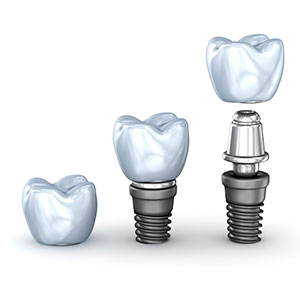
Whether dental crowns cause bad breath is a common concern before undergoing cosmetic dentistry. This article analyses the causes of odour after getting porcelain crowns and provides effective preventative tips to maintain fresh breath long-term.
Dental crowns do not inherently cause bad breath. Modern dental ceramic materials are highly stable in the oral environment, do not degrade, and do not produce unpleasant odours. However, in some cases, people notice a change in their breath after getting crowns and worry whether the restoration is the root cause of the unpleasant oral odour.
In reality, the odour rarely stems from the porcelain material itself; instead, it is usually linked to the technical precision of the restoration, gum health, or oral hygiene habits. When a crown does not fit snugly over the prepared tooth or if the gum area is not properly managed, bacteria can accumulate and cause an odour.
From a professional standpoint, dental crowns fully maintain chewing function and aesthetics when correctly prescribed and technically precise. Managing the margin fit, tooth anatomy, and bite alignment plays a crucial role in maintaining fresh breath over the long term.
At Worldwide Dental Hospital, our restorative process focuses on the harmony between the crown, gums, and bite to minimise the risk of odour-causing bacteria accumulating post-treatment.

Bad breath after getting porcelain crowns usually stems from the bacterial environment in the oral cavity. When restorations lack precision or oral care is improper, bacteria can thrive much more than usual.
A crown must sit perfectly flush against the prepared tooth to eliminate gaps. When a restoration is poorly fitted, food debris and plaque accumulate at the gingival margin (where the tooth meets the gumline).
The subsequent bacterial breakdown of these trapped particles releases unpleasant odours.
Common indicators include:
Left unaddressed, these micro-gaps foster bacterial overgrowth, ultimately leading to gingivitis.
Healthy gum tissue protects the tooth root and acts as a barrier against bacterial invasion. When gums become irritated or inflamed, the microbial balance shifts, increasing the risk of bad breath.
Common indicators include:
Proactive monitoring and proper periodontal care are essential to ensuring long-term stability.
Proper bite alignment distributes masticatory forces evenly. When these forces are unbalanced, specific areas bear excessive pressure, which can gradually alter the contact between the crown and the gumline – creating ideal conditions for plaque accumulation.
Signs of an uneven bite include:
Timely occlusal adjustments are vital to safeguarding the restoration’s longevity.
Restored teeth require the same meticulous, consistent care as natural ones. If plaque is allowed to accumulate around the crown over time, bacteria will thrive and generate odour.
Frequently overlooked areas include:
Thorough daily cleaning is paramount to minimising bacterial build-up.
While breath odour can stem from numerous sources, several clinical indicators point directly to crown-related complications:
If your breath changes after getting porcelain crowns, check the crown fit and gum health to identify the cause.
When food frequently gets stuck in the same place, plaque can accumulate more than usual.
Healthy gums are pale pink and comfortable. When gums are inflamed, the risk of breath odour increases.
If regular brushing fails to improve your breath, the cause may lie in the restoration structure or your bite alignment.
Bad breath is entirely preventable when the restoration is performed with correct technique and supported by proper care.
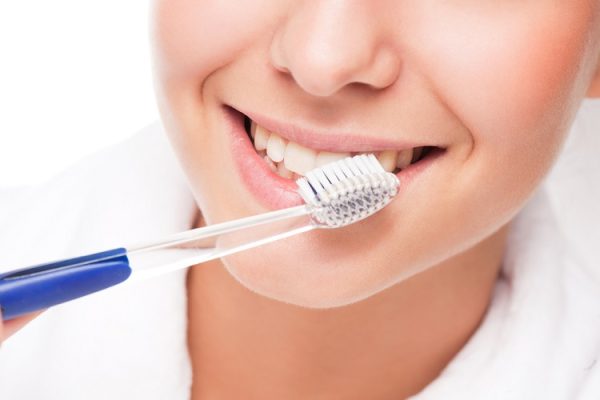
Good cleaning habits help control plaque and oral bacteria.
Recommended practices:
Proper cleaning helps prevent plaque buildup around porcelain crowns.
Routine visits allow for early detection of issues with crowns and gums.
Your dentist can evaluate:
Early adjustments help maintain long-term, stable results.
Each porcelain material has unique characteristics regarding durability and surface quality. A smooth porcelain surface helps limit plaque accumulation and makes cleaning easier.
Selection should be based on:
A balanced bite ensures chewing forces are evenly distributed, reducing the risk of gaps forming between the crown and gums over time.
A stable bite extends the lifespan of the restoration and helps maintain fresh breath.

In aesthetic restorations, crown precision and its harmony with the surrounding tissue are fundamental to maintaining optimal oral health.
Worldwide Dental Hospital meticulously manages each stage of the restorative process to ensure enduring results:
This synthesis of clinical expertise and sophisticated technology ensures an exceptionally precise fit, significantly mitigating the risk of odour-causing bacterial build-up.
Dental crowns themselves do not directly cause bad breath. Any post-restoration odour is almost invariably linked to the marginal precision of the fit, underlying periodontal health, or daily oral hygiene regimens.
When technically flawless and supported by proper maintenance, crowns effortlessly combine premium aesthetics with optimal masticatory function while preserving fresh breath.
Thorough clinical evaluations and bespoke treatment pathways remain essential to minimising risks and safeguarding an enduring smile.