DENTAL IMPLANTS
Advanced implant solutions
Expert care. Lasting results.
Designed for your smile.
ORAL HEALTH
When a tooth is missing for a long time, the jawbone beneath it gradually shrinks. Bone grafting rebuilds that lost volume, creating a solid foundation for a successful, long-lasting implant.
ANATOMY
Bone grafting adds volume and density to areas of the jaw that have lost bone, using material that integrates with your body and gradually becomes part of your own bone structure.
Graft Material
Bone graft material — from your own body, a donor source, or a synthetic substitute — is placed at the site of bone loss.
Integration Period
Over several months, your body’s natural healing process fuses the graft with existing bone, creating new, solid bone tissue.
Implant-Ready Foundation
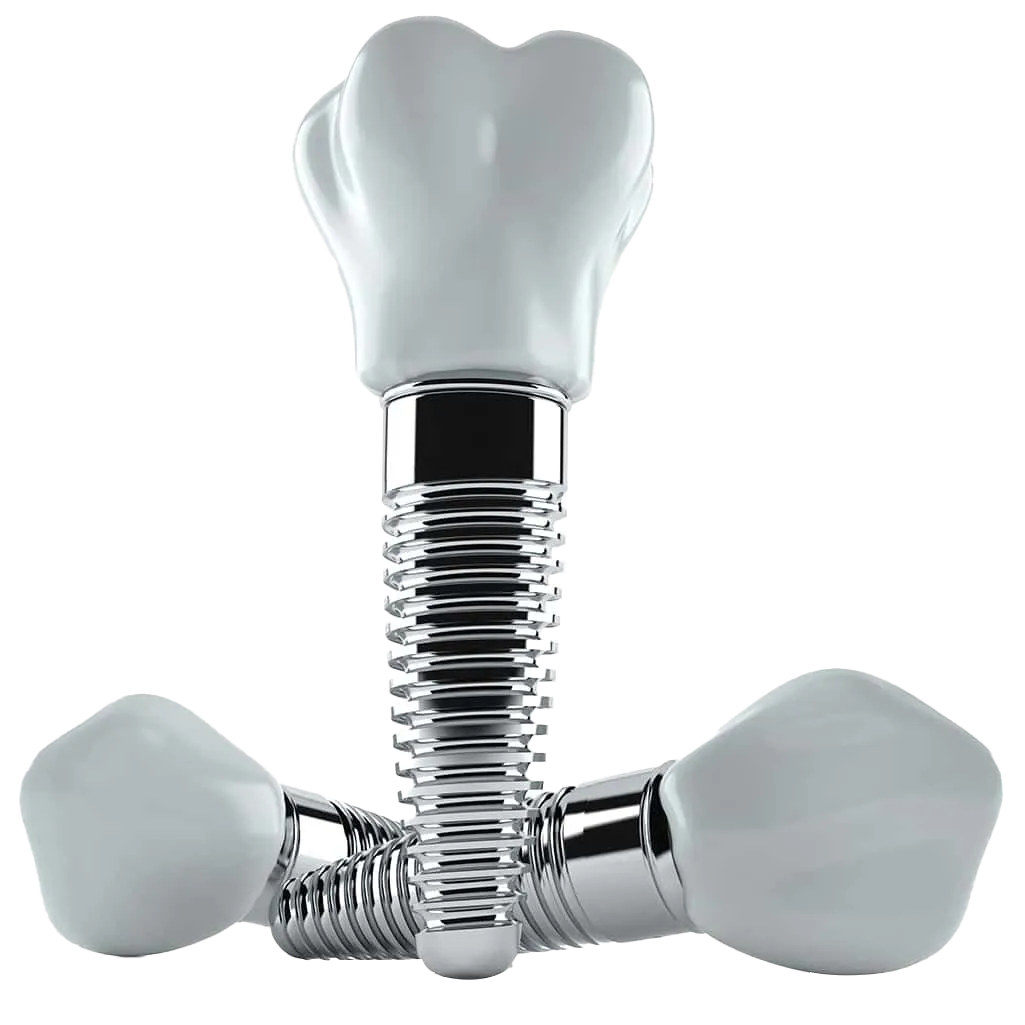
Once healed, the site provides enough bone volume and density to safely anchor a dental implant.
ADVANTAGES
Restores bone in areas once considered unsuitable for implants.
Helps prevent the sunken, aged appearance caused by bone loss.
Provides a denser, more reliable foundation for long-term implant success.
Different grafting techniques address different amounts and locations of bone loss.
Reduces the risk of future bone loss around neighboring teeth.
In select cases, grafting and implant placement can be done in the same procedure.

EVALUATION
You may need bone grafting before implant treatment if you:
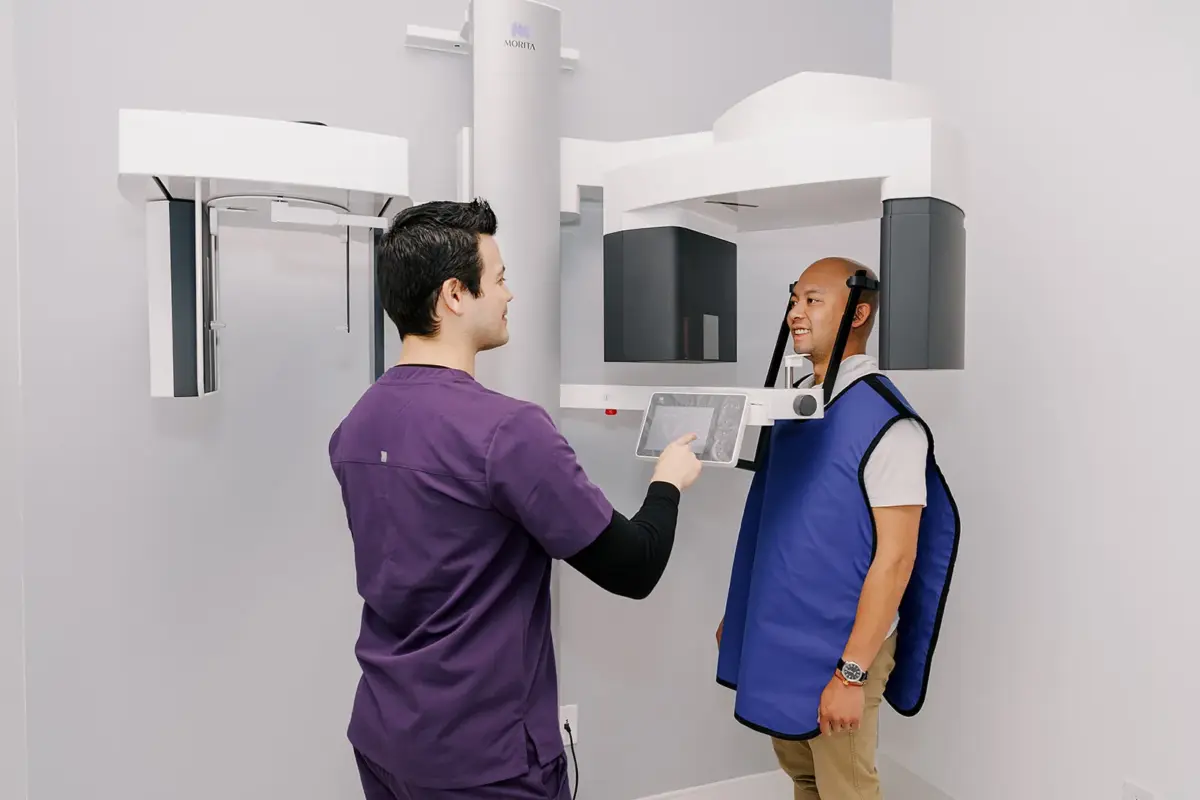
Your dentist will use 3D imaging to determine exactly how much bone grafting, if any, your case requires.
STEP-BY-STEP
01
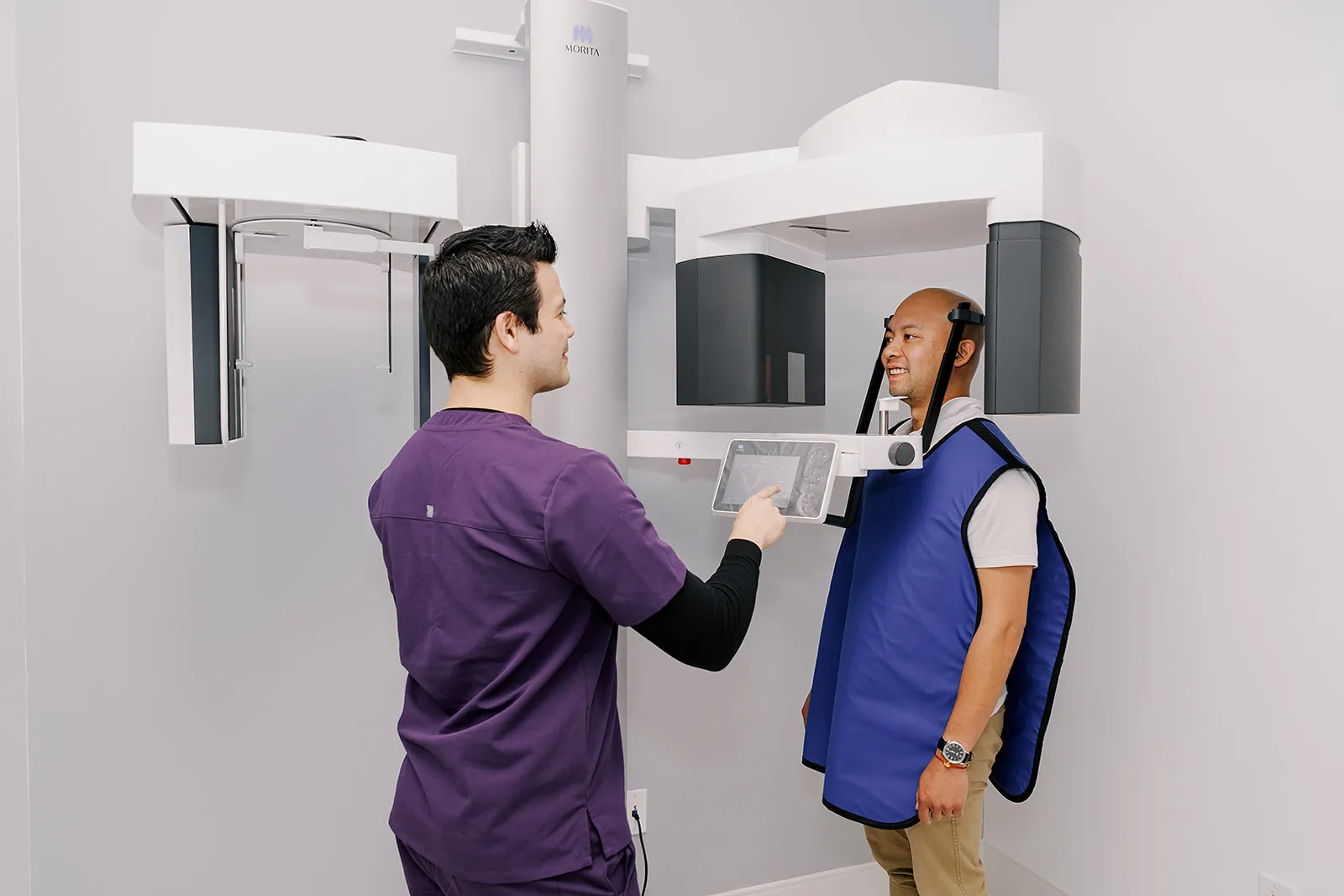
3D CBCT imaging measures bone volume and density at the treatment site to determine the right grafting approach.
02
Graft material is placed at the site under local anesthesia, using minimally invasive techniques for comfort and faster recovery.
03
Over the following months, the graft fuses with your natural bone, building a solid, implant-ready foundation.
04
Once healing is complete, your implant can be placed into the newly strengthened bone for a stable, long-term result.
ABOUT US
Why Choose Worldwide Dental Hospital?
Excellence Without Borders
We combine advanced technology, experienced specialists, and exceptional hospitality.
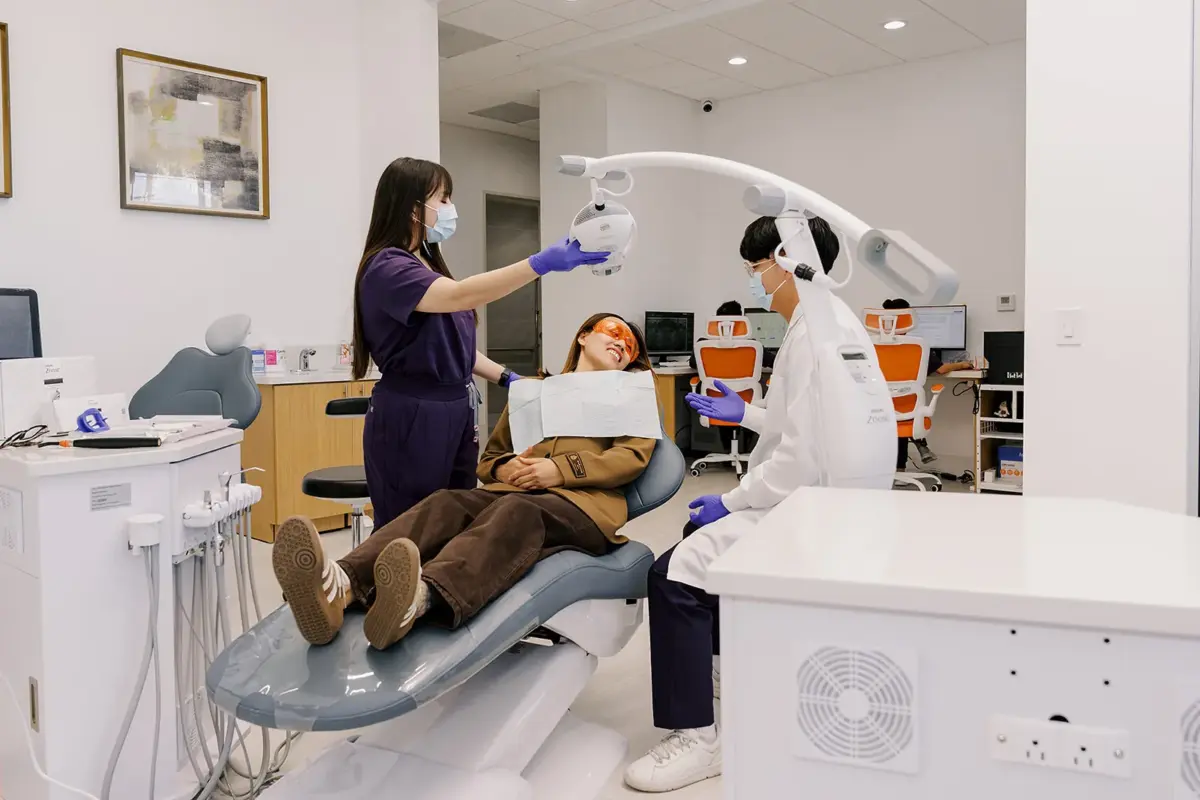
We utilize modern dental technology to improve precision and patient comfort while maintaining strict sterilization protocols that meet international standards.
FREQUENTLY ASKED QUESTIONS
Aftercare Tips after bone grafting:
Most patients report only mild discomfort, similar to a tooth extraction, and it’s manageable with standard pain medication.
Healing typically takes 3–6 months, depending on the amount of bone rebuilt and your individual healing rate.
In some cases where bone loss is minor, yes. Larger grafts usually require full healing before implant placement.
It may come from your own bone, a processed donor source, or a synthetic biocompatible material — your dentist will recommend the best option for your case.
Not necessarily. Many patients have enough natural bone. Grafting is only recommended when 3D imaging shows insufficient volume or density.
GET STARTED TODAY
If you’ve been told you don’t have enough bone for an implant, bone grafting can rebuild the foundation you need for a lasting result.
Book your consultation today and find out if bone grafting is part of your personalized treatment plan.