DENTAL IMPLANTS
Advanced implant solutions
Expert care. Lasting results.
Designed for your smile.
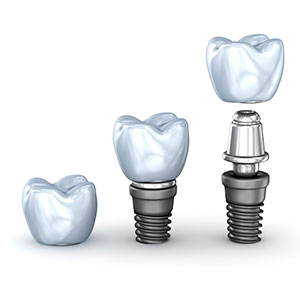
Whether tooth preparation is required for dental crowns is a common concern before undergoing cosmetic dentistry. From a clinical perspective, this article analyses the safe proportions of tooth reduction, the key influencing factors, and methods to preserve your natural teeth.
Getting dental crowns usually requires the preparation of a thin outer layer of the natural tooth to create adequate space for the crown to fit snugly over it. This is a crucial step to ensure the restoration achieves structural stability, optimal aesthetics, and long-term chewing function.
Despite common fears of structural damage, the proportion of tooth reduction is always calculated meticulously based on individual tooth health and restoration goals. When performed with proper clinical technique, the amount of tooth structure adjusted is kept strictly to what is necessary, without significantly impacting the durability of the natural tooth.
From a professional standpoint, the objective of dental crown treatment is not extensive reduction, but rather preparing just enough tooth structure so that the crown can fit flush and operate with long-term stability.
At Worldwide, our treatment plans are engineered to maximise the preservation of natural tooth tissue while ensuring a flawless harmony between aesthetics and oral function.
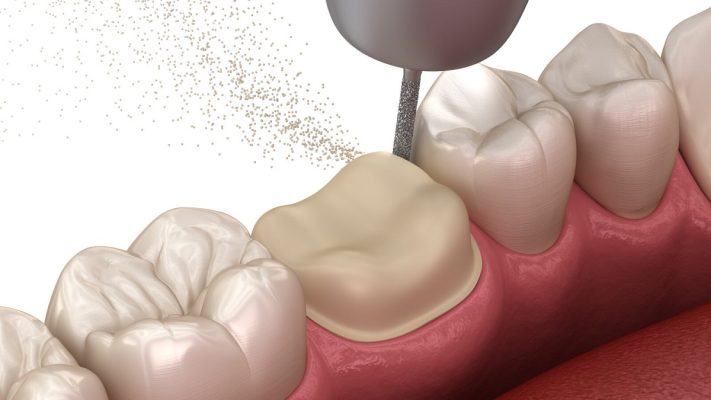
Tooth preparation involves the precise reduction of a thin outer layer of the tooth to accommodate a porcelain crown. This essential step ensures the restoration achieves the necessary thickness for structural durability and a natural appearance.
A dental crown requires a specific thickness to withstand biting and chewing forces. Without adequate space, the restoration may feel bulky or disrupt natural bite alignment.
Proper tooth preparation ensures:
When performed with precise clinical technique, tooth preparation ensures long-term biomechanical stability and optimal comfort during chewing.
Not every case requires extensive reduction of the tooth structure; the exact proportion depends on the initial condition of the teeth.
Common scenarios include:
A thorough clinical assessment is essential to design a precise treatment plan that prevents any unnecessary intervention.
Many worry about excessive tooth reduction, but the process is highly conservative. Depending on the crown type and your tooth’s initial condition, standard preparation requires only 0.3 mm to 1.5 mm of alteration, leaving the essential structure firmly intact.
The volume of tooth structure requiring adjustment depends on several factors:
For instance, front teeth require a delicate approach focused on appearance, whereas molars demand preparation that prioritizes structural strength for chewing.
When the amount of reduction is precisely controlled, your natural tooth retains its structural stability.
Once fitted, a porcelain crown acts as a protective shield for the underlying tooth structure, absorbing the direct impact of everyday chewing forces.
A properly executed restoration helps to:
The key lies in a tailored treatment plan designed specifically for your individual needs.
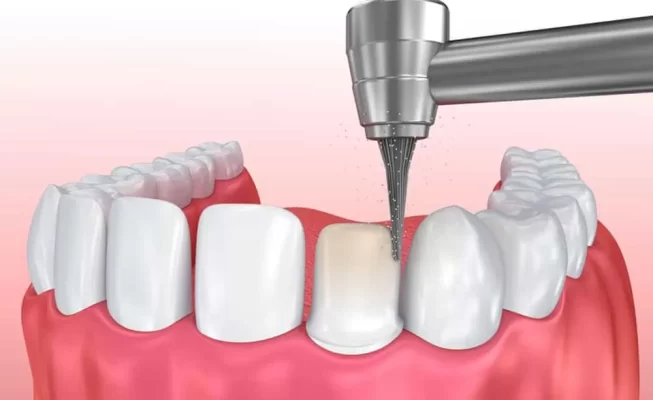
This procedure is conducted in precise stages to guarantee technical accuracy and minimise patient discomfort.
A detailed evaluation of the teeth, gums, and bite determines the exact level of modification required. This pre-treatment analysis ensures the long-term stability and success of the final restoration.
To eliminate sensitivity during the procedure, a local anaesthetic is administered beforehand. This ensures a seamless and gentle treatment experience.
The tooth structure is meticulously reshaped in strict accordance with the restorative plan. Maintaining precise control during this phase allows for maximum preservation of the natural tooth structure.
Following the shaping process, provisional restorations are fitted to:
These temporary fabrications ensure normal daily routines remain uninterrupted while the final porcelain restorations are being crafted.
Several clinical scenarios allow for a more conservative, minimally invasive approach.
For instance:
Porcelain veneers require significantly less structural modification compared to full-coverage crowns.
Selecting the optimal treatment path ensures the maximum preservation of natural tooth structure.
The preservation of natural tooth structure remains a core priority in modern restorative dentistry.
A tailored treatment strategy determines the exact level of modification required, ensuring unnecessary intervention is strictly avoided.
Full-coverage crowns are not universally required.
Selecting the optimal clinical approach ensures:
A stable bite ensures the even distribution of chewing forces, mitigating excessive pressure on the restored teeth. Maintaining proper alignment is fundamental to the longevity of the porcelain restorations.

The longevity of cosmetic restorations depends heavily on controlled tooth reduction and precise crown fabrication.
Structural stability is achieved at Worldwide Dental & Plastic Surgery Hospital through tailored treatment planning, incorporating:
End-to-end process control ensures high restoration accuracy while maximising the preservation of natural tooth structure.
Porcelain crown placement typically requires a minimal reduction of the tooth surface to accommodate the restoration. This reduction is precisely calibrated to guarantee structural stability and maintain long-term chewing function.
When executed with proper technique under a tailored treatment plan, tooth preparation does not compromise the integrity of natural teeth.
A thorough clinical evaluation and the selection of an appropriate restorative approach safeguard natural tooth tissue, maintaining a harmonious smile over time.