
DENTAL IMPLANTS
Advanced implant solutions
Expert care. Lasting results.
Designed for your smile.
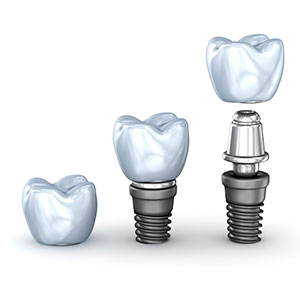
EXPERT CARE
Not every implant problem requires removing the implant. In many cases, damaged restorations, loose components, gum inflammation, or early implant complications can be successfully treated with modern repair techniques.
At Worldwide Dental Hospital, our implant specialists carefully diagnose the source of the problem before recommending the most conservative and predictable solution. Whenever possible, we focus on preserving your existing implant and restoring its long-term function.
SYMPTOMS
Implant problems often begin with subtle symptoms that become more serious if left untreated. Common warning signs include:
Early diagnosis often allows treatment before significant bone loss develops.
DIAGNOSIS
Sometimes the implant itself remains completely healthy while only the crown has become loose.
Treatment may include:
Although uncommon, excessive bite forces or years of function may occasionally cause a screw to fracture.
Our specialists use dedicated retrieval instruments designed to remove broken screws whenever possible while preserving the implant body.
This is the earliest stage of inflammation around an implant. Typical symptoms include red gums, bleeding during brushing, mild tenderness, and plaque accumulation.
With professional cleaning and improved oral hygiene, this condition is often completely reversible.
If inflammation progresses into the supporting bone, more advanced treatment becomes necessary.
Treatment options may include:
Modern ceramic restorations are durable, but accidental trauma or heavy grinding can occasionally damage them.
Rather than replacing the implant itself, a new precision-made crown can usually restore full function and aesthetics.
RISK FACTORS
Implant failure is rarely caused by a single factor. Possible contributing factors include:
Understanding the underlying cause helps prevent the same problem from recurring after treatment.
PROCESS
We begin with:
Instead of simply treating symptoms, we determine exactly why the complication occurred. This may involve evaluating:
Depending on your condition, treatment may involve:
RESCUE
In many cases—yes.
Whether an implant can be preserved depends on several factors, including:
Whenever clinically appropriate, our priority is to save your existing implant before considering removal.
TECHNOLOGY
Successful implant repair depends on precise diagnosis. Our implant team utilizes:
These technologies improve accuracy while reducing unnecessary treatment.
Many patients visit us after experiencing complications with implants placed elsewhere. Our international care pathway includes:
Where compatible components are available, we may also restore implants originally placed by other providers.
Patients treated at Worldwide Dental Hospital benefit from long-term support through:
Our commitment continues long after your treatment is complete.
A repaired implant can continue functioning successfully for many years with proper care. We recommend:
Preventive maintenance remains the best way to protect your investment.
FREQUENTLY ASKED QUESTIONS
Not necessarily. In many cases, only the crown or abutment has loosened while the implant remains firmly integrated. A detailed examination determines the appropriate treatment.
Usually not. If the implant body is stable, replacing the damaged crown is often all that is required.
Yes. Our specialists regularly evaluate and restore implants originally placed elsewhere, provided compatible components are available and the implant remains clinically suitable for repair.
Most repair procedures are minimally invasive. Local anesthesia is used whenever necessary to ensure your comfort throughout treatment.
Simple procedures such as tightening a crown or replacing a screw may be completed in a single visit, while more complex treatments involving infection control or bone regeneration may require multiple appointments depending on the condition of the implant.