
DENTAL IMPLANTS
Advanced implant solutions
Expert care. Lasting results.
Designed for your smile.
ORAL HEALTH
Your New Tooth Is Built to Last — With the Right Care
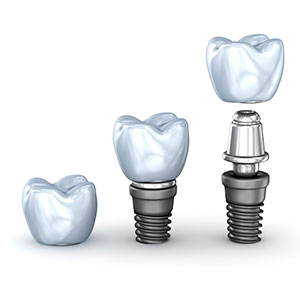
A dental implant is designed to replace your missing tooth for decades, but its long-term success depends on more than the procedure itself. Healing, oral hygiene, routine maintenance, and regular professional reviews all contribute to keeping the implant healthy and functional.
At Worldwide Dental Hospital, every implant patient receives a personalized maintenance plan based on their oral health, lifestyle, and implant system. Our goal is simple: protect your smile for life—not just until treatment is complete.
Highlights
RECOVERY
Your body immediately begins the healing process. Mild swelling, tenderness, or slight bleeding is completely normal.
We recommend:
Most patients notice significant improvement within a few days.
During this stage:
This is the most important stage of treatment.
Although discomfort has disappeared, the implant is quietly integrating with your jawbone through a natural biological process called osseointegration. During this period the implant gains the strength required to support your permanent crown.
HYGIENE
A dental implant cannot develop cavities, but the surrounding gums and bone can still become inflamed if plaque is allowed to accumulate. We recommend following this simple daily routine:
DIET & HABITS
During the healing phase, protecting the implant site from excessive force is crucial.
After healing, most patients can comfortably return to a normal diet, including steak, apples, and crunchy vegetables.
Small daily habits make a remarkable difference over the years. Healthy habits include:
Certain habits place excessive stress on implants and surrounding tissues. These include:
Many implant complications are preventable through regular maintenance and early intervention.
PATIENT CARE
Many of our patients travel from Australia, the United States, Canada, New Zealand, and Europe. Our international follow-up program includes:
Even after you return home, our team remains available whenever you need guidance.
Contact our implant team if you notice:
Early evaluation often prevents small problems from becoming larger ones.
SCHEDULE
OUTCOME
Dental implants have one of the highest long-term success rates in modern dentistry. However, success depends on a partnership between your implant team and your daily home care.
Maintains the stable foundation your implant relies on.
Prevents inflammation that can compromise the implant.
Ensures your implant functions successfully for decades.
Allows intervention before small issues become big complications.
Keeps your bite balanced and fully functional over time.
Ensures your smile stays natural-looking for the rest of your life.
With proper care, many implants continue functioning successfully for decades.
FREQUENTLY ASKED QUESTIONS
No. Daily brushing and cleaning between teeth are usually sufficient, although your dentist may recommend implant-specific cleaning tools depending on your case.
No. The implant itself cannot decay, but plaque can still affect the surrounding gums and bone if oral hygiene is neglected.
Most patients benefit from professional examinations and cleaning every six months, though some high-risk patients may require more frequent visits.
Many international patients can safely travel within a few days after straightforward implant placement, depending on the complexity of treatment and their dentist’s recommendations.
Once healing is complete and the permanent crown is placed, most patients describe their implant as looking, feeling, and functioning very much like a natural tooth.