DENTAL IMPLANTS
Advanced implant solutions
Expert care. Lasting results.
Designed for your smile.
ORAL HEALTH
Immediate implants let you skip the waiting: your damaged tooth is removed and the implant is placed into the same socket, on the same day — preserving bone, saving time, and getting you closer to a finished smile faster.
Most people assume implants always follow the same path: pull the tooth, wait months for the socket to heal, then place the implant into solid bone. That’s the conventional approach, and it’s still the right choice in many cases.
But waiting has a cost. The moment a tooth is extracted, the jawbone that used to support it starts to resorb — it can lose up to 25% of its width in the first year alone. The gum tissue around the socket also begins to collapse inward. By the time a conventionally-timed implant is placed months later, some of that lost volume may need to be rebuilt with grafting before the implant can even go in.
Immediate implant placement interrupts this process before it starts. By placing the implant into the socket right after extraction, the implant itself helps hold the bone and gum tissue in their natural position — often avoiding the need for separate bone grafting altogether.
ANATOMY
01
The damaged or infected tooth is carefully removed, taking care to preserve as much of the surrounding bone and gum tissue as possible.
02
The socket is cleaned and assessed. In cases with infection or a thin bony wall, small adjustments or a minor graft may be placed alongside the implant for extra support.
03
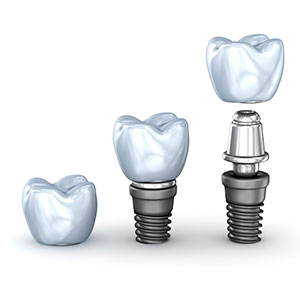
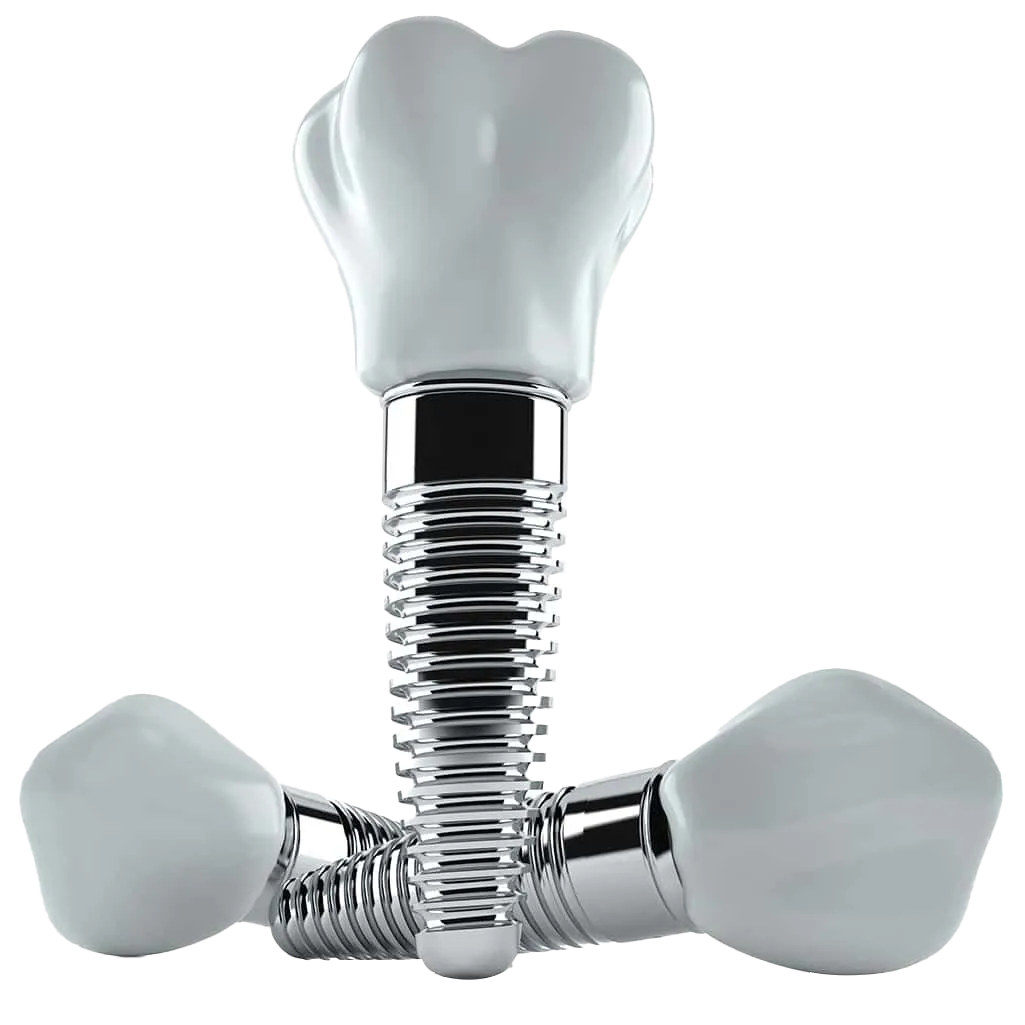
A titanium implant is placed directly into the fresh extraction socket, angled and positioned using the remaining bone walls as a natural guide.
04
If the implant achieves enough initial stability, a temporary crown can often be attached the same day — so you don’t leave with a visible gap.
WHICH SYSTEM FITS YOUR CASE
Not every implant design is well suited to being placed into a fresh extraction socket. We select from several premium systems based on your bone quality and the site involved.
Nobel Active
A tapered body and aggressive thread design that condenses bone as it’s inserted, giving strong initial stability even in compromised or freshly-extracted sockets — one of the most widely used systems for immediate placement.
Straumann SLActive
Straumann’s SLActive surface technology is engineered for faster osseointegration, which can shorten the healing window between temporary and final restoration.
Hahn™ Tapered System
A deep, sharp-threaded tapered design with a strong published success rate, offering a cost-effective alternative for suitable immediate-placement cases.
Your dentist will recommend the system best matched to your bone density, socket condition, and treatment goals.
ADVANTAGES
Combines extraction and implant placement into a single appointment.
Placing the implant right away helps maintain the natural bone contour that would otherwise begin shrinking.
Cuts out the 3–6 month waiting period required before conventional implant placement.
Supports the gum tissue in its original shape, reducing the “collapsed” look that can follow tooth loss.
In many cases, you may leave the same day with a functional, natural-looking temporary crown.
Reduces the cumulative time, cost, and recovery associated with multiple separate surgeries.
IMMEDIATE VS. CONVENTIONAL
Neither approach is universally “better” — the right choice depends entirely on the condition of your tooth, gum, and bone at the time of extraction.
EVALUATION
You may be a good candidate for an immediate implant if you:
Immediate implants are not suitable for every situation — active infection, severely thin bone walls, or certain medical conditions may mean a conventional, staged approach is safer and more predictable. Your dentist will confirm suitability with a clinical exam and 3D imaging.

RISKS TO UNDERSTAND
Like any dental procedure, immediate implants carry some risks worth understanding before treatment:
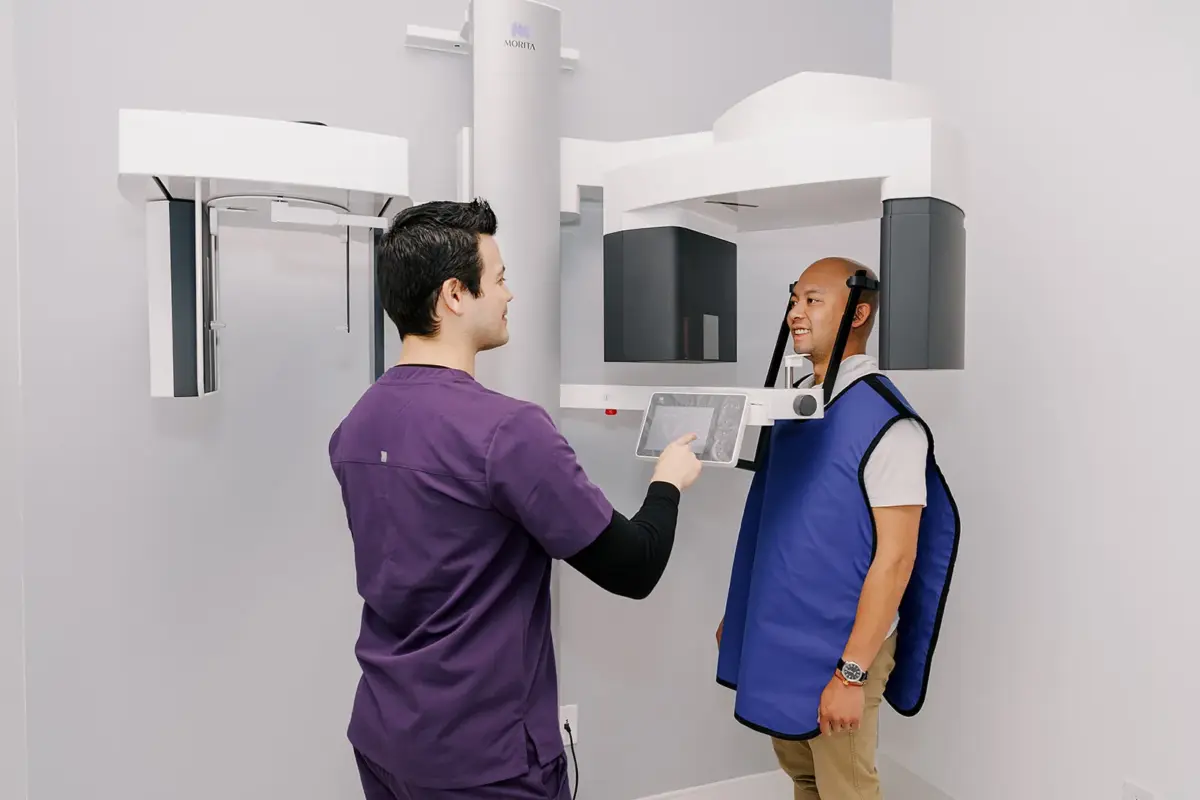
A thorough evaluation with 3D CBCT imaging helps determine whether the immediate approach is the safest and most predictable option for your specific tooth.
STEP-BY-STEP
01
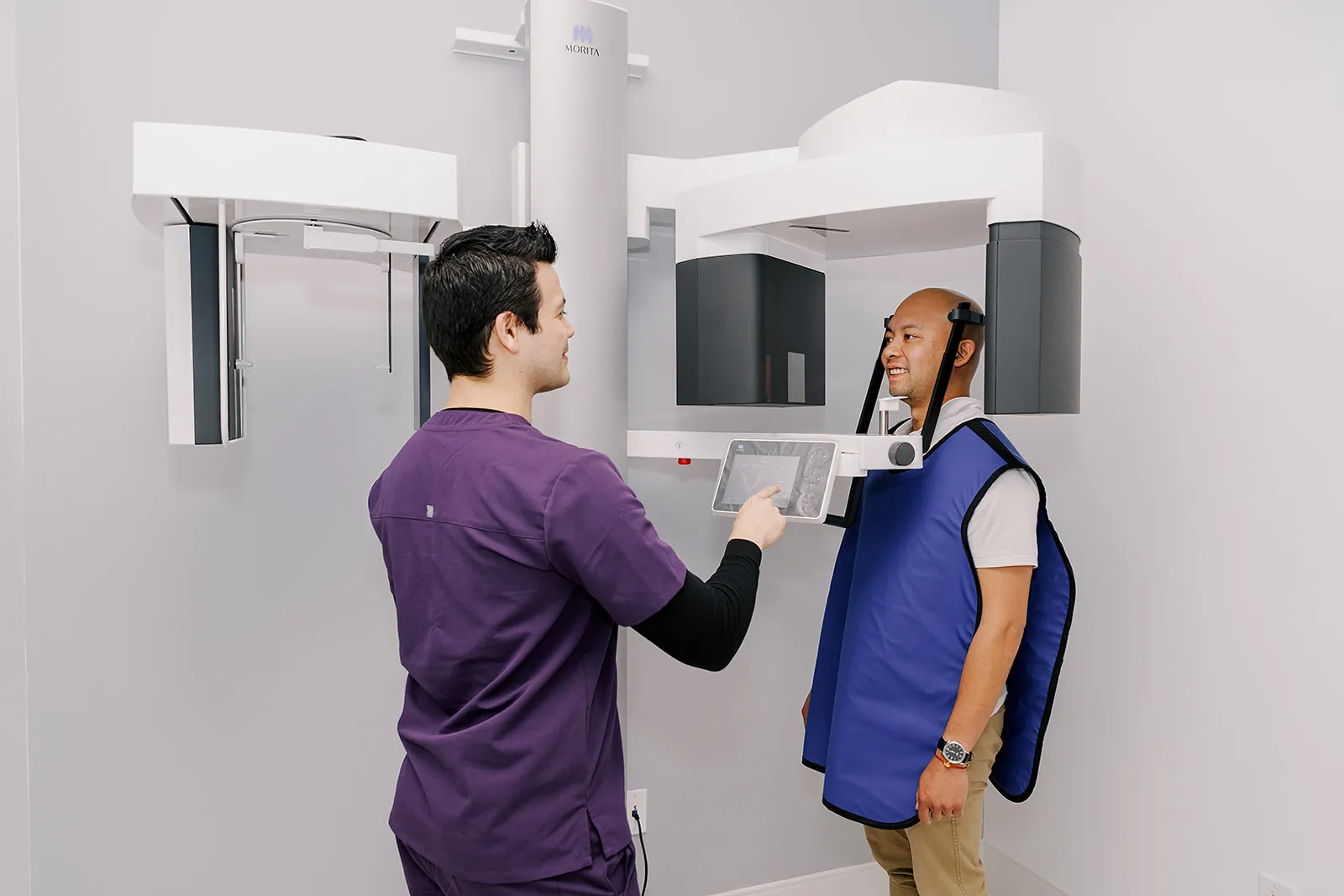
3D CBCT imaging and a clinical exam assess bone quality, socket condition, and whether immediate placement is appropriate for your case.
02
The compromised tooth is gently extracted and the implant is placed into the socket in the same appointment, using computer-guided planning for precision.
03
If sufficient stability is achieved, a temporary crown may be attached the same day so you leave with a functional tooth.
04
Over the following months, the implant fully integrates with the surrounding bone — monitored through scheduled follow-up visits.
05
Once healing is complete, a custom-crafted final crown replaces the temporary one for a natural, long-lasting result.
ABOUT US
Why Choose Worldwide Dental Hospital?
Excellence Without Borders
We combine advanced technology, experienced specialists, and exceptional hospitality.
We utilize modern dental technology to improve precision and patient comfort while maintaining strict sterilization protocols that meet international standards.
FREQUENTLY ASKED QUESTIONS
Aftercare tips after an immediate implant:
When a good candidate is selected and the procedure is done correctly, long-term success rates for immediate implants are comparable to conventional implants.
Often, yes — if the implant achieves enough initial stability. In some cases, your dentist may recommend a short healing period before attaching even a temporary crown, for safety.
That’s common, and it isn’t a setback — a conventional, staged implant approach is still highly predictable and may simply require a short healing period first.
Pricing is generally similar since the same implant is used — the main difference is timing and the number of appointments, which can actually reduce overall visit-related costs.
Typically 3–6 months after placement, once the implant has fully integrated with the surrounding bone.
GET STARTED TODAY
If you’re facing a tooth extraction, you may not need to wait months for your implant. Immediate placement could let you walk out the same day with a functional new tooth.
Book your consultation today and find out if you’re a candidate for immediate implant placement.